
The 5 Best Treadmills of 2026
We compared more than 30 home treadmill models and narrowed the list to five popular, widely available brands with strong performance, real owner feedback, transparent pricing, and Amazon purchase links.

Thomas Harper
Thomas reviews home fitness equipment with a focus on real-world usability, motor performance, long-term value, and the tradeoffs buyers should know before spending money. This ranking uses a fixed scoring rubric and does not rank products by affiliate commission.
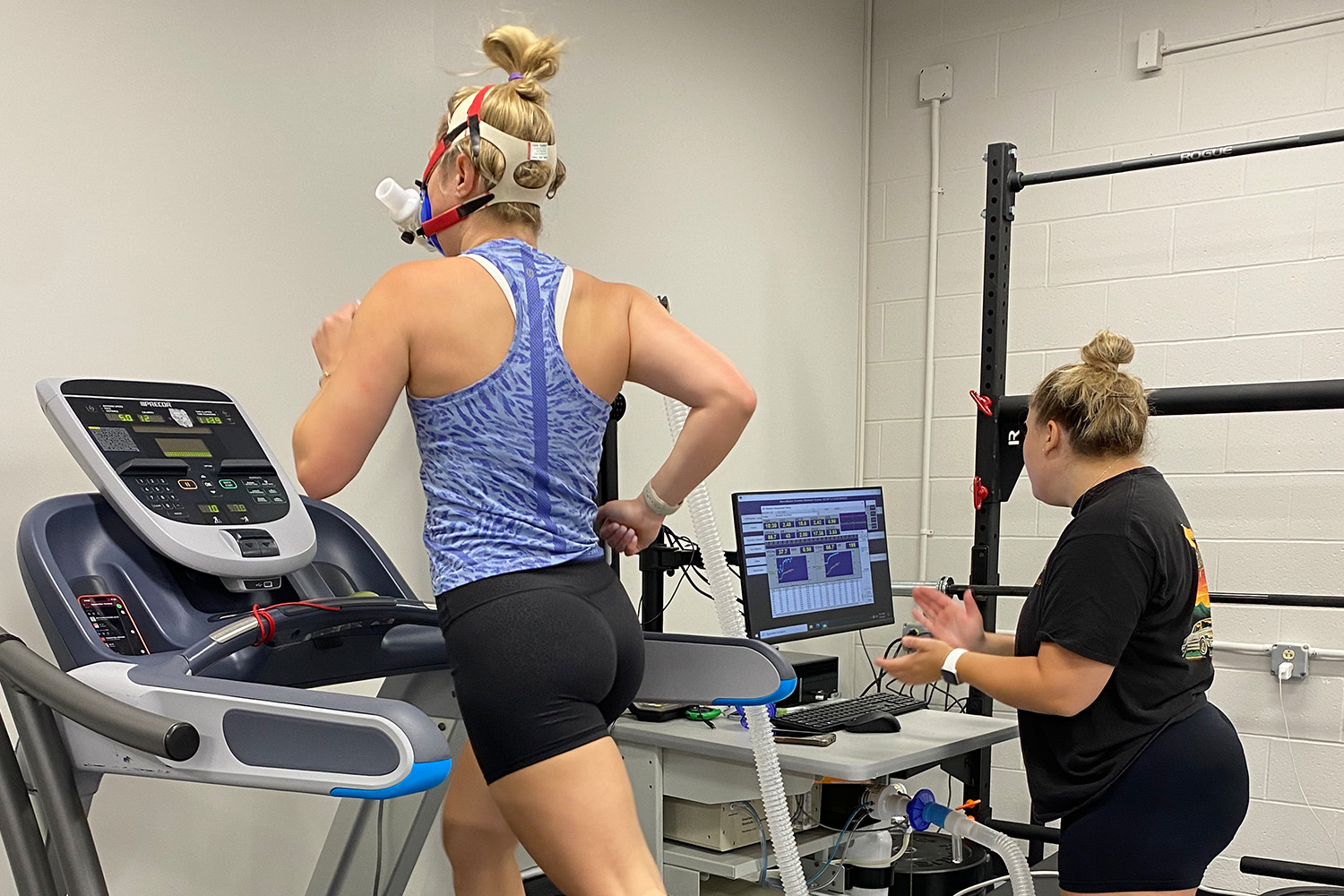
For 2026, this guide focuses on full-size home treadmills rather than compact under-desk machines. A good treadmill should feel stable at running speed, offer enough deck length for a natural stride, adjust incline smoothly, and remain simple enough to use without fighting the console.
We prioritized treadmills from established brands that are easy to find on Amazon, have documented specs, and serve different needs: serious running, interval training, subscription-free workouts, smaller spaces, and lower budgets.
Questions we used while evaluating each model:
- Is the deck large and stable enough for running?
- Does the motor hold pace smoothly during speed changes?
- Are the controls easy to use mid-workout?
- Does the treadmill fold or store reasonably well?
- Are the price, warranty, and long-term owner feedback fair?
Why a quality treadmill is worth it:
Consistent cardio in any weather
Useful for walking, jogging, and running
Controlled speed and incline training
Safer, repeatable workouts at home
Better cushioning than pavement
Works for beginners and experienced runners
How the treadmills were tested and scored
To keep this page balanced, every treadmill was scored with the same rubric: motor and speed consistency, deck size and stability, comfort and cushioning, ease of controls, incline range, storage, warranty, owner feedback, and price-to-performance value. We cross-checked manufacturer specs, Amazon listings, current pricing, and independent hands-on testing from fitness publications.
Scores were not based on commission rates. Amazon links may earn a commission, but a treadmill moved up only when it offered better performance, usability, reliability, or value for the buyer.
Testing Part 1: Setup, delivery, and footprint
Before scoring performance, we looked at how each treadmill would actually fit into a home. Full-size treadmills can be heavy, awkward to assemble, and difficult to move once placed, so we considered box weight, folded dimensions, deck-lift systems, transport wheels, ceiling clearance, and whether a typical buyer would need paid assembly.
Finding: Folding designs helped every model on this list, but folding does not mean compact. The Horizon 7.4 AT and SOLE F63 save floor space after a workout, while the Sunny SF-T7515 is the easiest to place in a smaller room. The NordicTrack 1750 is still practical for a home gym, but it is a heavy machine that buyers should plan around before delivery.

Testing Part 2: Motor, speed, and incline performance
Motor performance was scored by comparing the rated speed range, incline range, user feedback on belt consistency, and independent hands-on notes about responsiveness. We paid special attention to how quickly a treadmill changes speed or incline, because slow adjustment can interrupt interval workouts and hill sessions.
- NordicTrack Commercial 1750: strongest all-around training range with 12 mph speed plus incline and decline.
- Horizon 7.4 AT: best for fast manual interval changes thanks to QuickDial-style controls and a 15% incline.
- SOLE F63: dependable 12 mph performance without smart-screen complexity.
- ProForm Carbon TLX: good speed and incline range for the price, but less polished than the top picks.
- Sunny SF-T7515: useful automatic incline, but the 8 mph top speed makes it a walking/light-jogging option.
Finding: The biggest performance gap was not maximum speed alone. The better treadmills felt more convincing because they paired speed with a longer deck, better frame stability, and smoother incline changes.

Testing Part 3: Deck comfort, stride room, and stability
For home runners, deck size is one of the most important buying factors. A 20″ x 60″ belt is the practical baseline for many runners, while a 22″ width gives extra confidence at faster paces. We also looked at cushioning, shake at higher speeds, handrail placement, and whether taller users might feel cramped.
Finding: The NordicTrack 1750 and Horizon 7.4 AT were the most confidence-inspiring for running because they combine long decks with strong frames. The SOLE F63 is slightly simpler but still roomy enough for most users. The Sunny SF-T7515 is best treated as a budget walking and light-jogging treadmill because its shorter, narrower belt limits stride comfort.
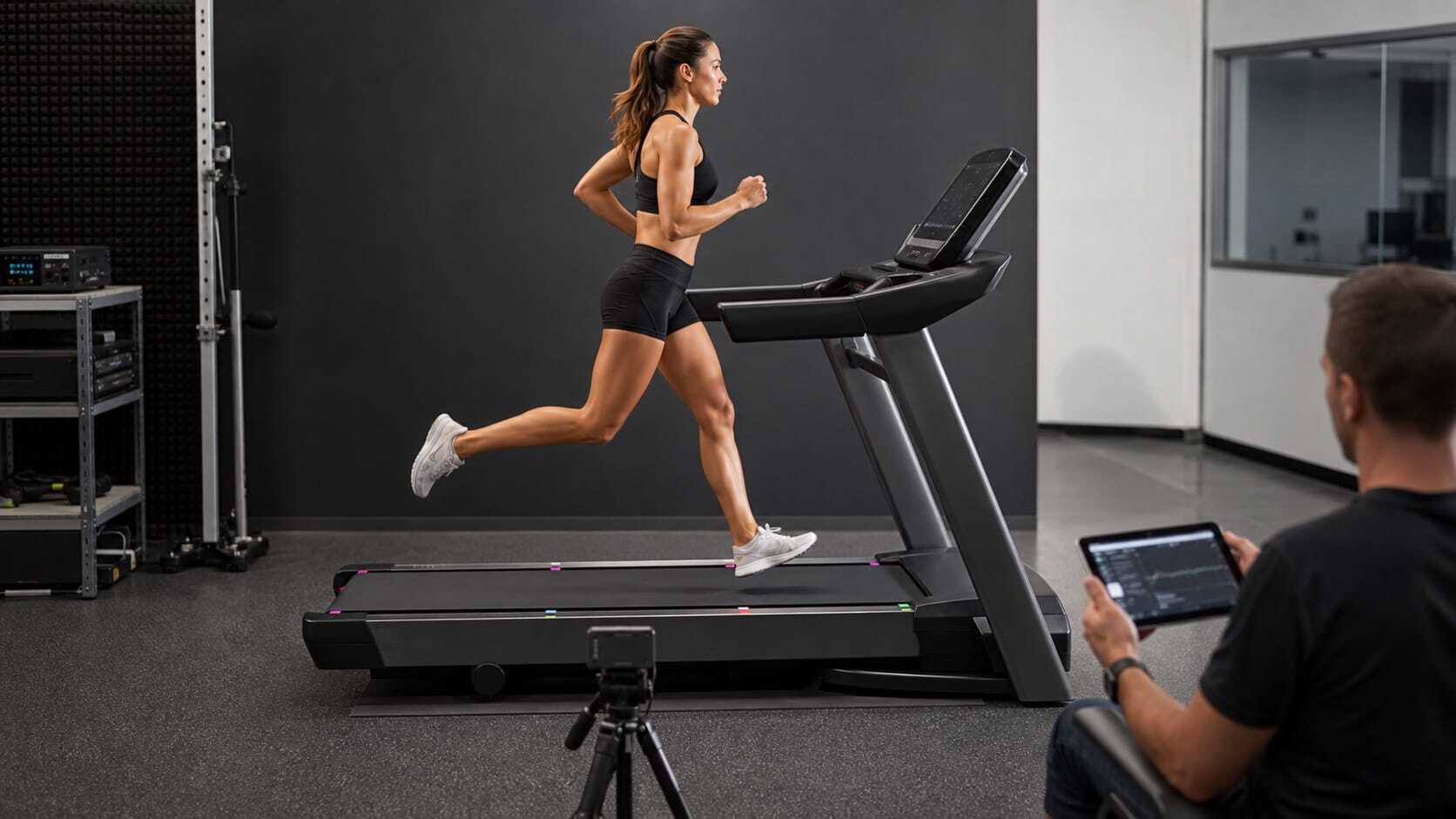
Testing Part 4: Noise, vibration, and apartment friendliness
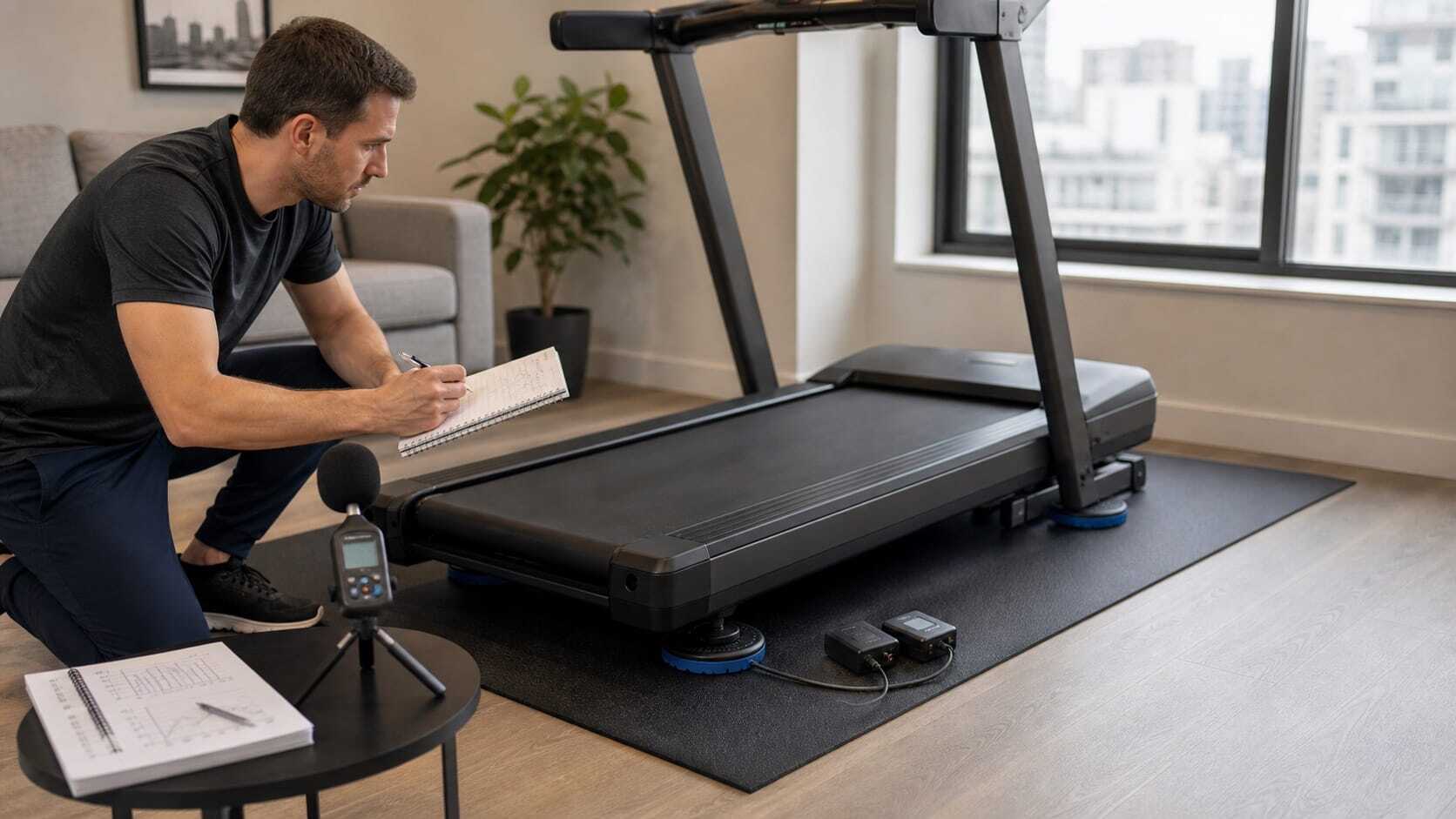
Noise was evaluated as a practical home-use factor rather than a lab-only number. We looked at owner comments, motor smoothness, belt slap, frame vibration, mat compatibility, and whether the treadmill would be reasonable in a shared home or apartment.
Finding: Heavier frames generally felt more planted, but they also require better planning for delivery and placement. Budget treadmills can be quieter at walking speeds, yet they often vibrate more as pace increases. A thick treadmill mat is worth using under any model.
Testing Part 5: Controls, screens, apps, and subscriptions
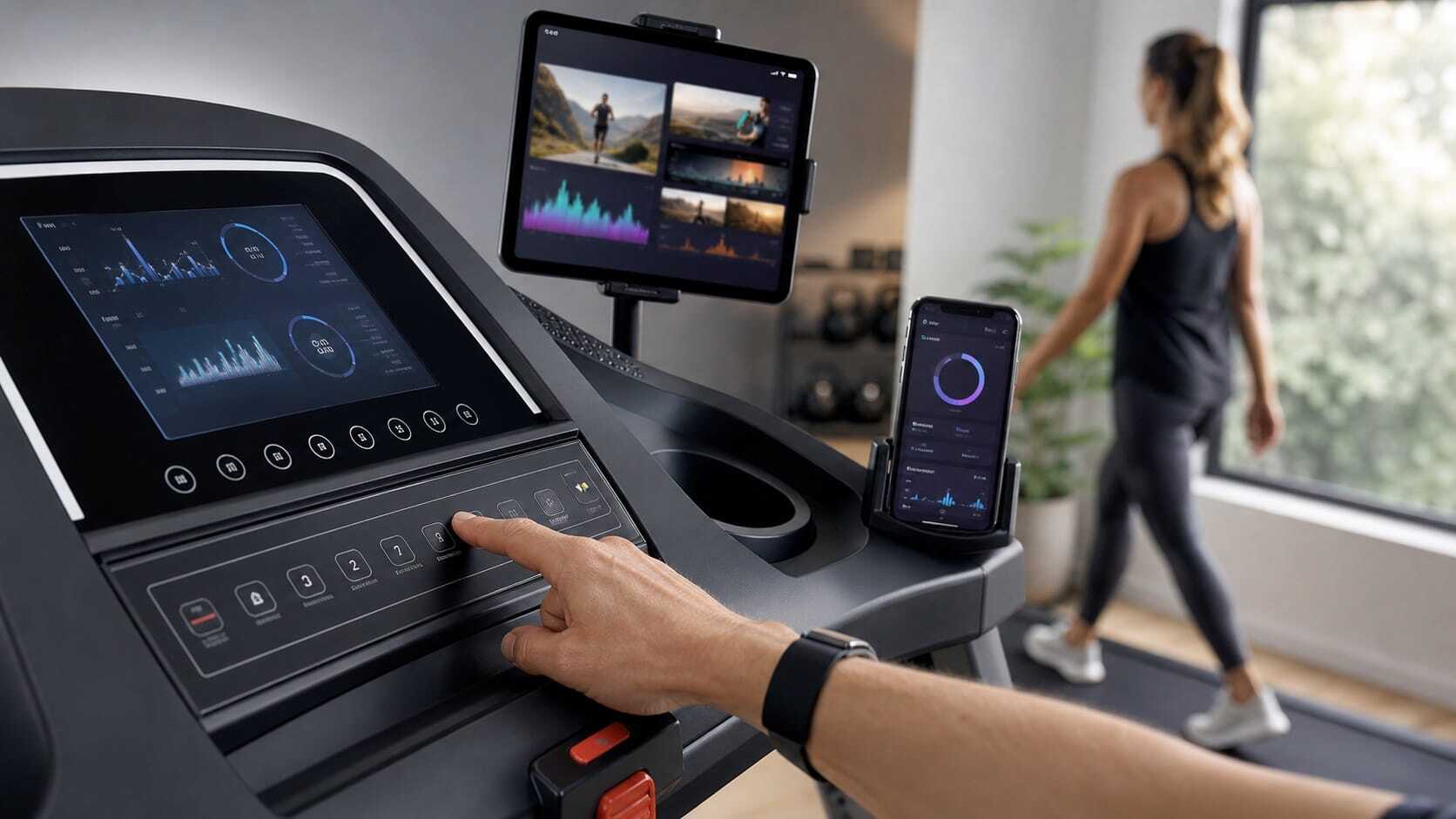
A treadmill can have excellent hardware and still be frustrating if the controls are hard to use while moving. We scored physical buttons, quick controls, screen readability, app requirements, Bluetooth compatibility, and whether the treadmill remains useful without a paid membership.
Finding: NordicTrack offers the richest guided experience, but the iFIT subscription is part of the long-term cost. Horizon scored very well for people who prefer using their own apps or tablet. SOLE is the cleanest no-subscription option. ProForm is a good compromise when discounted, while Sunny keeps things basic and affordable.
Testing Part 6: Owner feedback, warranty, and long-term value
Because treadmills are long-term purchases, we did not rely only on launch specs. We cross-checked Amazon availability, current prices, warranty coverage, common owner complaints, and whether each brand has an established track record in home fitness equipment.
Finding: The best value depends on the buyer. NordicTrack is best for guided training, Horizon for intervals and app flexibility, SOLE for straightforward durability, ProForm for sale-price performance, and Sunny for budget cardio. The lower-cost models are not bad; they simply have clearer limits.
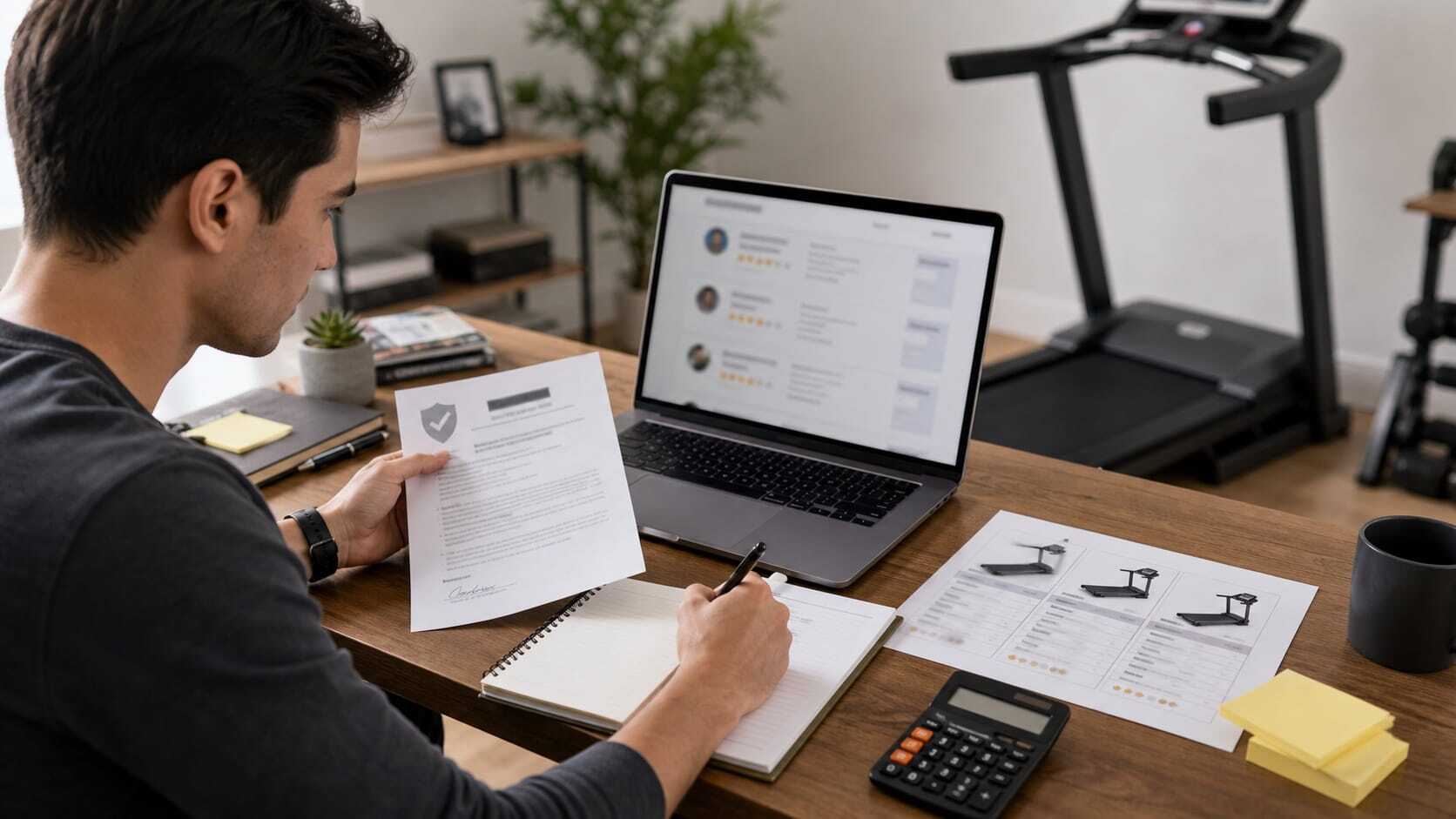
Key findings from the 2026 treadmill comparison
- Best overall: NordicTrack Commercial 1750, because it blends performance, cushioning, folding storage, and smart training better than the rest.
- Best for intervals: Horizon Fitness 7.4 AT, because its controls make quick speed and incline changes easier.
- Best no-subscription value: SOLE F63, because the hardware is dependable and the console stays simple.
- Best sale-price pick: ProForm Carbon TLX, because it offers real running specs when discounted below premium models.
- Best budget option: Sunny SF-T7515, because it provides automatic incline and basic programs at a much lower price.
- Most important buying lesson: deck size and stability matter more than flashy screens for anyone who plans to run regularly.
Bottom line: A treadmill should be chosen by workout style. Serious runners should prioritize deck size and frame stability; walkers can safely spend less; app-focused users should include subscription fees in the real price.
What you should look for:
A stable motor and 10-12 mph top speed
A 20" x 60" deck for most runners
Useful incline range for hill training
Controls you can adjust while moving
Clear warranty and parts support
What you should avoid:
Vague motor claims or weak warranty
Subscriptions required for basic use
Short or narrow decks for running
Frames that shake at faster speeds
Inflated review counts with little detail
After comparing performance, comfort, features, owner feedback, and current Amazon availability, these are the five treadmills that offered the strongest value for most home users in 2026.

OVERALL RATING
9.5
Best overall for most runners
Review
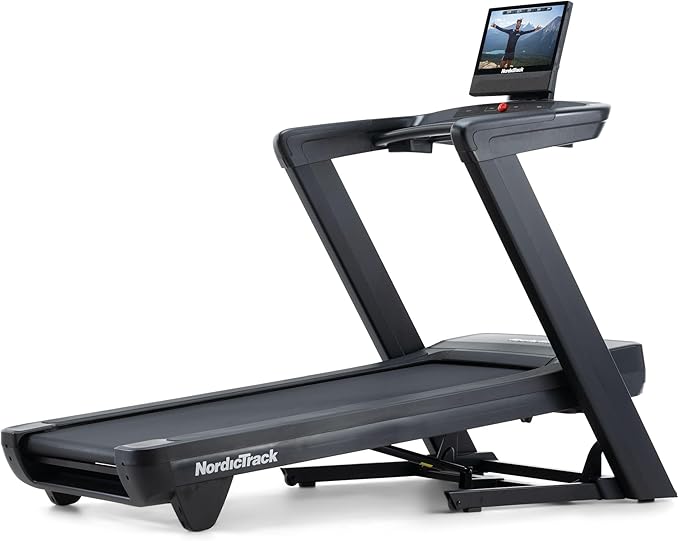
The NordicTrack Commercial 1750 ranks first because it delivers the best overall mix of performance, comfort, smart training, and home practicality. Its roomy 22″ x 60″ deck, 12 mph top speed, -3% decline to 12% incline, folding frame, and 16″ pivoting touchscreen make it strong for daily runs, hill work, and guided iFIT workouts.
The main tradeoff is the ecosystem. iFIT can be excellent, but it adds an ongoing cost after the trial, and customer-service feedback is more mixed than the treadmill hardware itself. For buyers who want guided workouts and incline/decline training, it is still the most complete pick here.
Amazon price at last check: $1,999.
Pros
- Roomy 22" x 60" running deck
- Incline and decline training
- 16" pivoting touchscreen
- Strong for running and hiking workouts
- Folds upright for storage
Cons
- iFIT subscription adds ongoing cost
- Heavy machine to move
- Customer service feedback is mixed
OVERALL RATING
9.3
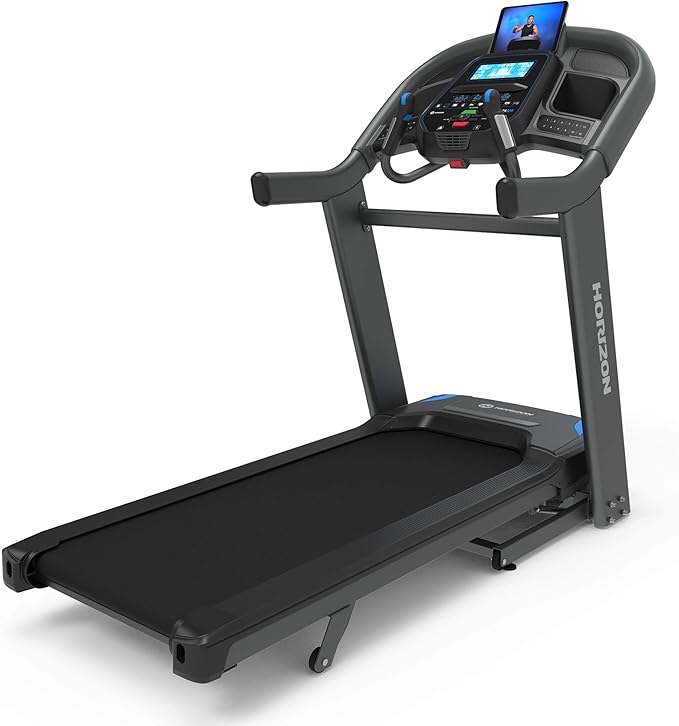
Why it ranked #2: The Horizon 7.4 AT is the best pick here for runners who want quick interval changes without being locked into a built-in class screen. Its 22″ x 60″ deck, 12 mph speed, 15% incline, Bluetooth connectivity, and QuickDial controls make it especially strong for HIIT and tempo workouts.
It loses a little ground to the NordicTrack because it has fewer built-in smart features, but that is also its appeal if you prefer using your own phone, tablet, Peloton, Zwift, or simple manual runs.
Pros
- Fast, intuitive QuickDial controls
- Large 22" x 60" running surface
- 15% incline for hill work
- No required subscription
- Bluetooth and app-friendly design
Cons
- No built-in smart touchscreen
- Large footprint for small rooms
- Delivery and assembly can add cost

OVERALL RATING
8.9
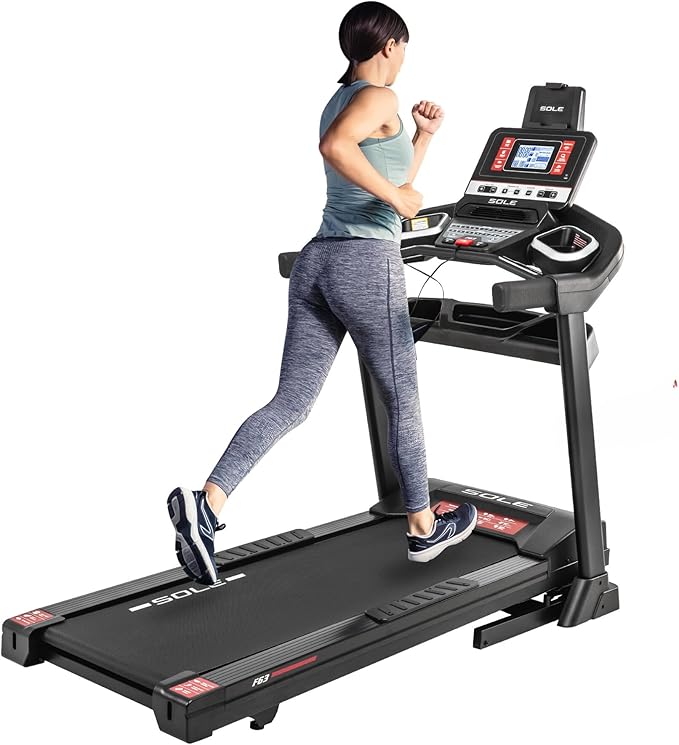
Why it ranked #3: The SOLE F63 is the practical, subscription-free pick. It has a 20″ x 60″ deck, 0.5-12 mph speed range, 15 incline levels, a 3.0 HP motor, Bluetooth speakers, USB charging, and a simple console that does not force you into a paid workout platform.
It is less flashy than the smart-screen treadmills, but it is a strong value for walkers, beginners, and intermediate runners who care more about durability than entertainment.
Pros
- Strong value for the build quality
- 20" x 60" deck suits most runners
- No required subscription
- 15 incline levels
- Simple console with tablet holder
Cons
- No smart touchscreen
- Console feels basic
- Not as immersive as iFIT or Peloton-style training

OVERALL RATING
8.5
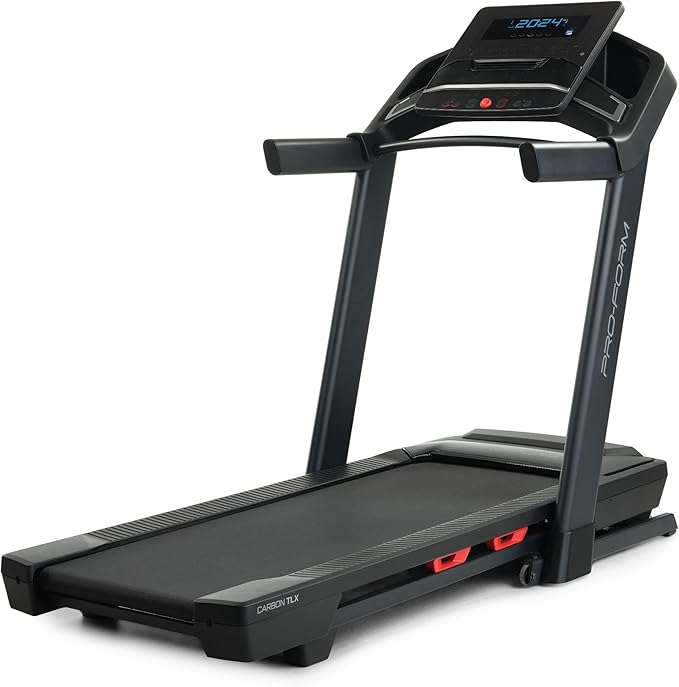
Why it ranked #4: The ProForm Carbon TLX is a sensible lower-cost runner option with a 0-12 mph speed range, up to 12% incline, ProShox cushioning, folding storage, and iFIT support through a phone or tablet rather than a large built-in screen.
It is a good buy when it is on sale, but it is not as refined as the top three. Incline changes can feel slower, the console is simpler, and some buyers may still prefer paying more for a larger deck or stronger warranty package.
Pros
- Good sale-price value
- 12 mph top speed
- 12% incline
- Foldable design
- iFIT compatible with your own device
Cons
- No built-in touchscreen
- Incline response is not the fastest
- Best value only when discounted

OVERALL RATING
8.1
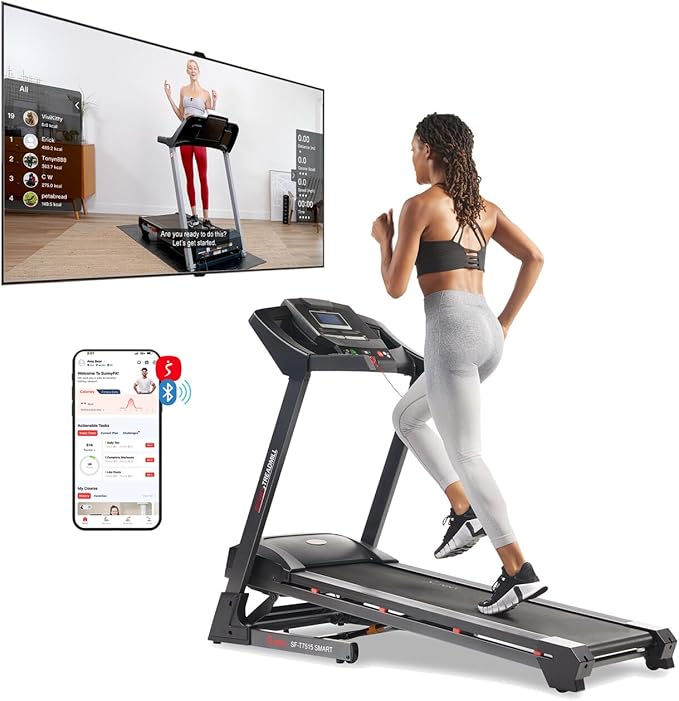
Why it ranked #5: The Sunny Health & Fitness SF-T7515 is the budget pick for walkers and light joggers. It offers automatic incline, built-in programs, folding storage, pulse grips, and a much lower price than the runner-focused models above it.
The tradeoff is performance headroom. The shorter, narrower deck and 8 mph top speed make it less suitable for taller users or serious running, but it remains one of the better low-cost options for everyday home cardio.
Pros
- Very affordable compared with premium models
- Automatic incline at a low price
- Foldable frame
- Simple controls and built-in programs
- Good for walking and light jogging
Cons
- 8 mph top speed limits serious running
- Shorter, narrower deck
- Lower weight capacity than premium picks
- Not ideal for tall runners